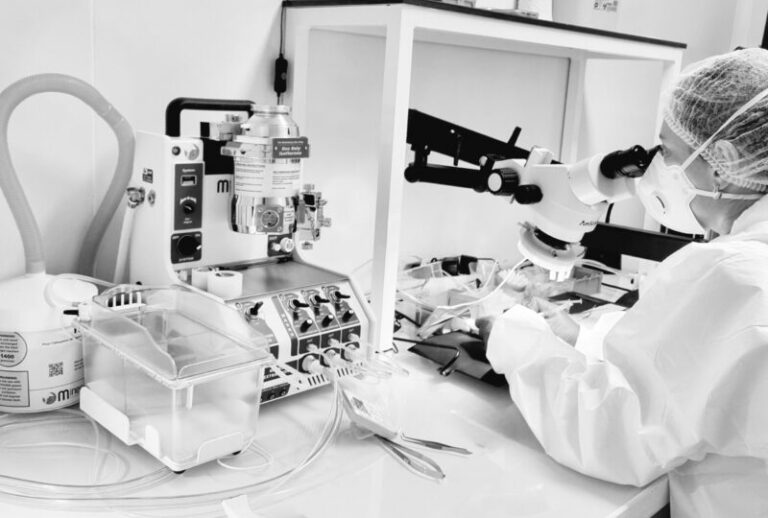
Validated in vivo models for kidney disease research and beyond

in vivo preclinical services

Choosing the right model is essential to accurately reflect disease mechanisms and generate relevant observations. Our in vivo studies include comprehensive biochemical, molecular, and physiological assessments to evaluate the efficacy of your molecules with high precision. This integrated approach ensures robust, clinically relevant readouts of disease progression.

We also offer advanced capabilities in non-invasive renal function monitoring, including transdermal Glomerular Filtration Rate (GFR) measurement, providing sensitive, real-time evaluation of kidney function throughout the treatment protocol.

At NEPHRIX Biosolutions, we provide a comprehensive portfolio of models tailored to diverse research needs.

Acute Kidney Injury  (AKI)

AKI is a sudden and often reversible decline in renal function that can occur within a few hours or days. It happens when the kidneys are unable to filter waste products from the blood, leading to a dangerous buildup of toxins and chemical imbalances. AKI can range from mild impairment to complete renal failure.

Key Models

  ↑ up

Chronic Kidney Disease (CKD)

CKD is characterized by progressive renal failure. In advanced stages, CKD can lead to dangerous imbalance of fluid, electrolytes, and waste in the body. CKD is a leading cause of death worldwide, affecting 14% of the population.

Key Models

  ↑ up

Diabetic Kidney Disease (DKD)

Diabetic nephropathy, or diabetic kidney disease, is the result of the gradual loss of kidney function in individuals with type I or type II diabetes mellitus. It is the leading cause of CKD and end-stage renal disease worldwide.

Key Models

Hypertensive Nephropathy

CKD caused by hypertension, known as hypertensive nephropathy, is the second leading cause of CKD after diabetes. Hypertension triggers a series of pathological changes in the kidneys, resulting in various forms of kidney injury, including glomerular damage, renal fibrosis and renal dysfunction. These complications not only impair renal function but also increase the risk of stroke, heart attack, and death.

Key Models

  • Angiotensin II-Induced Hypertensive Nephropathy rat model
  • Spontaneously Hypertensive Rat (SHR) model
  • DOCA+Salt-Induced Hypertensive Nephropathy rat model

  ↑ up

Glomerulonephritis

Glomerulonephritis refers to a group of kidney disorders characterized by inflammation of the glomeruli, the filtration units responsible for clearing waste and maintaining fluid balance. This inflammation can arise from immune dysregulation, infections, or systemic diseases, leading to impaired filtration, hematuria, and varying degrees of proteinuria. 

Key Models

  ↑ up

Nephrotoxicity

Nephrotoxicity refers to kidney damage caused by exposure to harmful substances, including drugs or environmental toxins. Such injury can impair the kidney’s ability to filter waste, regulate electrolytes, and maintain fluid balance, ultimately leading to acute or chronic renal dysfunction. Because nephrotoxic effects often limit the development and safe use of therapeutic compounds, in vivo models are essential to identify early kidney injury, evaluate compound safety, and guide clinical decision-making.

Key Models

  ↑ up

Standard Biomarker & Readout Panel  

Our in vivo studies are designed with a comprehensive, multi-dimensional readout framework. The table below shows the standard panel available across disease categories – all customisable to your study objectives.

CategoryBiomarker / ReadoutSample TypeClinical Relevance
Renal Function Serum creatinine, BUN, cystatin CBlood Glomerular filtration, overall kidney function
GFRTransdermal real-time GFR (FITC-sinistrin)Non-invasiveLongitudinal renal function monitoring
Tubular InjuryKIM-1, NGALUrine / PlasmaProximal tubule damage, early AKI detection
ProteinuriaAlbuminuria, albumin/creatinine ratio (ACR)UrineGlomerular barrier integrity
Fibrosisα-SMA, fibronectin, collagen I/III, TGF-β1Kidney tissue (IHC/WB)Myofibroblast activation, ECM remodelling
InflammationTNF-α, IL-1β, IL-6, NF-κB, MCP-1, F4/80Tissue / PlasmaInnate immune activation, macrophage infiltration
HistologyH&E, PAS, Masson's trichrome, Sirius RedFFPE tissue sectionsStructural kidney damage, fibrosis quantification
MetabolicBlood glucose, HbA1c, plasma insulin, body weightBlood / bodyMetabolic disease control, DKD context

Frequently Asked Questions – In vivo services

NEPHRIX Biosolutions covers the full spectrum of kidney disease: Acute Kidney Injury (IRI, cisplatin, sepsis-induced AKI), Chronic Kidney Disease (adenine diet, UUO, 5/6 nephrectomy, AKI-to-CKD transition model), Diabetic Kidney Disease (STZ, db/db), Hypertensive Nephropathy (Angiotensin II, SHR, DOCA-salt), Glomerulonephritis (IgA nephropathy, FSGS), and Nephrotoxicity (cisplatin, LPS). Each model is selected based on your compound’s target and mechanism of action during the initial scientific consultation.

Study timelines depend on model complexity. Acute models such as cisplatin-induced AKI or bilateral IRI can be completed within 4 to 6 weeks from study initiation. Chronic models such as adenine-induced CKD or STZ-induced diabetic nephropathy typically require 8 to 16 weeks. The AKI-to-CKD transition model runs over 6 to 12 weeks. We provide a detailed project timeline and milestone plan during the study design phase, ahead of any commitment.

NEPHRIX Biosolutions operates both in vitro and in vivo platforms under one roof. Biomarker endpoints such as KIM-1, NGAL, α-SMA, fibronectin, and creatinine are harmonised across both platforms, enabling direct translational comparison. Compounds screened in our in vitro assays (fibrosis, inflammation, nephrotoxicity) can progress to validated in vivo models without switching CRO providers, saving time, ensuring scientific continuity, and reducing costs.

All studies at NEPHRIX Biosolutions are designed in accordance with the 3Rs framework (Replacement, Reduction, Refinement). We prioritise non-invasive monitoring tools such as transdermal GFR to reduce terminal blood sampling, leverage in vitro Go/No-Go screening to minimise unnecessary animal use, and work with accredited animal facilities compliant with European Directive 2010/63/EU. Animal group sizes are statistically justified to use the minimum number needed for robust data..

All studies at NEPHRIX Biosolutions are designed in accordance with the 3Rs framework (Replacement, Reduction, Refinement). We prioritise non-invasive monitoring tools such as transdermal GFR to reduce terminal blood sampling, leverage in vitro Go/No-Go screening to minimise unnecessary animal use, and work with accredited animal facilities compliant with European Directive 2010/63/EU. Animal group sizes are statistically justified to use the minimum number needed for robust data.

Why choose NEPHRIX Biosolutions?

    For further information, contact us

    * : mandatory field