IgA Nephropathy (IgAN) – Glomerulonephritis Rat Model
An efficient tool for therapeutic testing using the anti-Thy1.1 induced mesangioproliferative glomerulonephritis model
IgA Nephropathy is the most common primary glomerulonephritis worldwide and remains a major unmet medical need due to limited therapeutic options and variable disease progression. Our anti-Thy1.1-induced mesangioproliferative glomerulonephritis model provides a robust and reproducible platform to investigate the key mechanisms of IgA nephropathy, including mesangial expansion, extracellular matrix deposition, inflammation, and glomerular injury.
Why Choose Our Anti-Thy1.1 IgA Nephropathy Model?
- Close Representation of Human Pathology: This model reproduces hallmark features of IgA nephropathy, mesangial cell activation, complement involvement, and glomerular structural alterations; offering a highly relevant tool for preclinical exploration.
- Versatile for Therapeutic Development: Whether your goal is to evaluate anti-fibrotic, anti-inflammatory, or immune-modulating strategies, our model supports comprehensive testing of novel therapeutic candidates and mechanism-of-action studies.
- High Reproducibility and Robust Readouts: The anti-Thy1.1 induction method ensures consistent disease onset and well-defined kinetics, enabling reliable data interpretation. quantitative histology, biomarker profiling, and functional renal endpoints.
- Ethical and Compliant: We adhere to the highest ethical standards and regulatory guidelines in animal research, ensuring the welfare and well-being of our animals at every stage.
Partner with us to accelerate your IgA nephropathy research and drive the development of innovative therapies using our validated anti-Thy1.1 preclinical Model
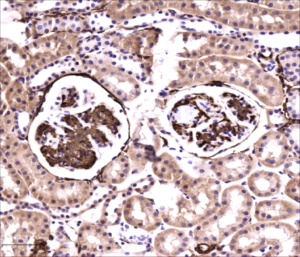
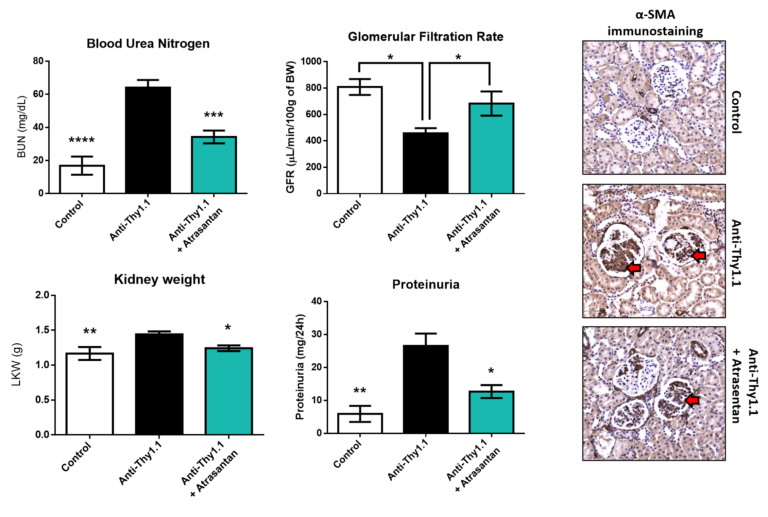
Validated in Sprague Dawley rats with reference drug Atrasentan
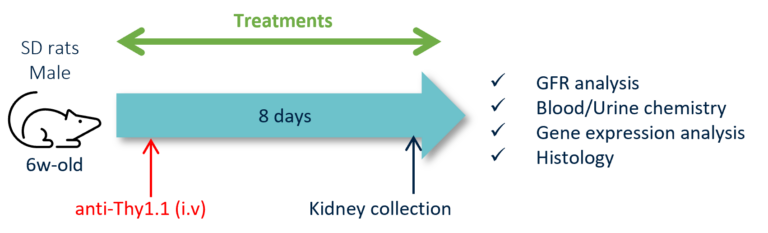
8 days from initiation to renal tissue collection
Multiple parametric analyses, including Glomerular Filtration Rate (GFR), proteinuria, histopathology, biochemistry, and gene expression analyses
Study design of the IgAN model
Assay readouts
Related models