Adriamycin-induced FSGS model
A reliable preclinical model for evaluating therapies targeting podocyte injury and glomerulosclerosis
Focal Segmental Glomerulosclerosis (FSGS) is a major cause of proteinuria and progressive chronic kidney disease, characterized by podocyte injury, glomerular scarring, and progressive loss of renal function. Our Adriamycin (Doxorubicin)-induced FSGS mouse model reproduces key pathological features of human FSGS, including podocyte damage, proteinuria, glomerulosclerosis, and tubulointerstitial fibrosis. This well-characterized model provides a valuable preclinical platform to evaluate the efficacy of novel therapeutic candidates targeting glomerular injury, podocyte protection, and kidney disease progression.
Why Choose Our Adriamycin-Induced FSGS Model Model?
- Disease-Relevant Pathological Features: This model reproduces key hallmarks of FSGS, including podocyte injury, sustained proteinuria, glomerulosclerosis, and progressive renal tissue damage.
- Versatile for Therapeutic Development: Suitable for evaluating podocyte-protective, anti-proteinuric, nephroprotective, and anti-fibrotic therapeutic strategies, with treatment protocols adapted to the candidate’s mechanism of action.
- Comprehensive and Quantitative Readouts: Combining urinary biomarkers, glomerular histopathology, podocyte injury markers, and molecular analyses enables a detailed assessment of disease progression and therapeutic efficacy.
- Established Model and Renal Expertise: Our in-house mouse model, evaluated using a reference nephroprotective compound, supports the assessment of novel drug candidates through standardized experimental procedures and dedicated renal expertise.
Partner with us to accelerate your FSGS drug development program using our established Adriamycin-induced nephropathy model
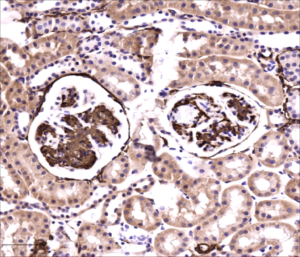
Established Adriamycin-induced FSGS model in mice, with Telmisartan used as a reference compound.
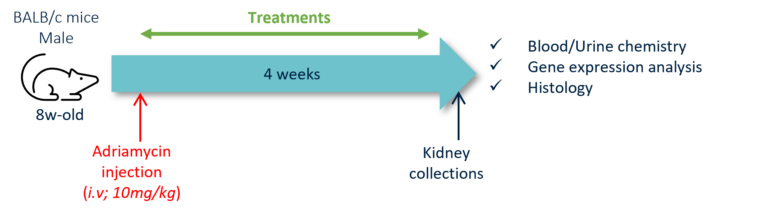
Typically 4–6 weeks following disease induction, with the experimental timeline adapted to study objectives.
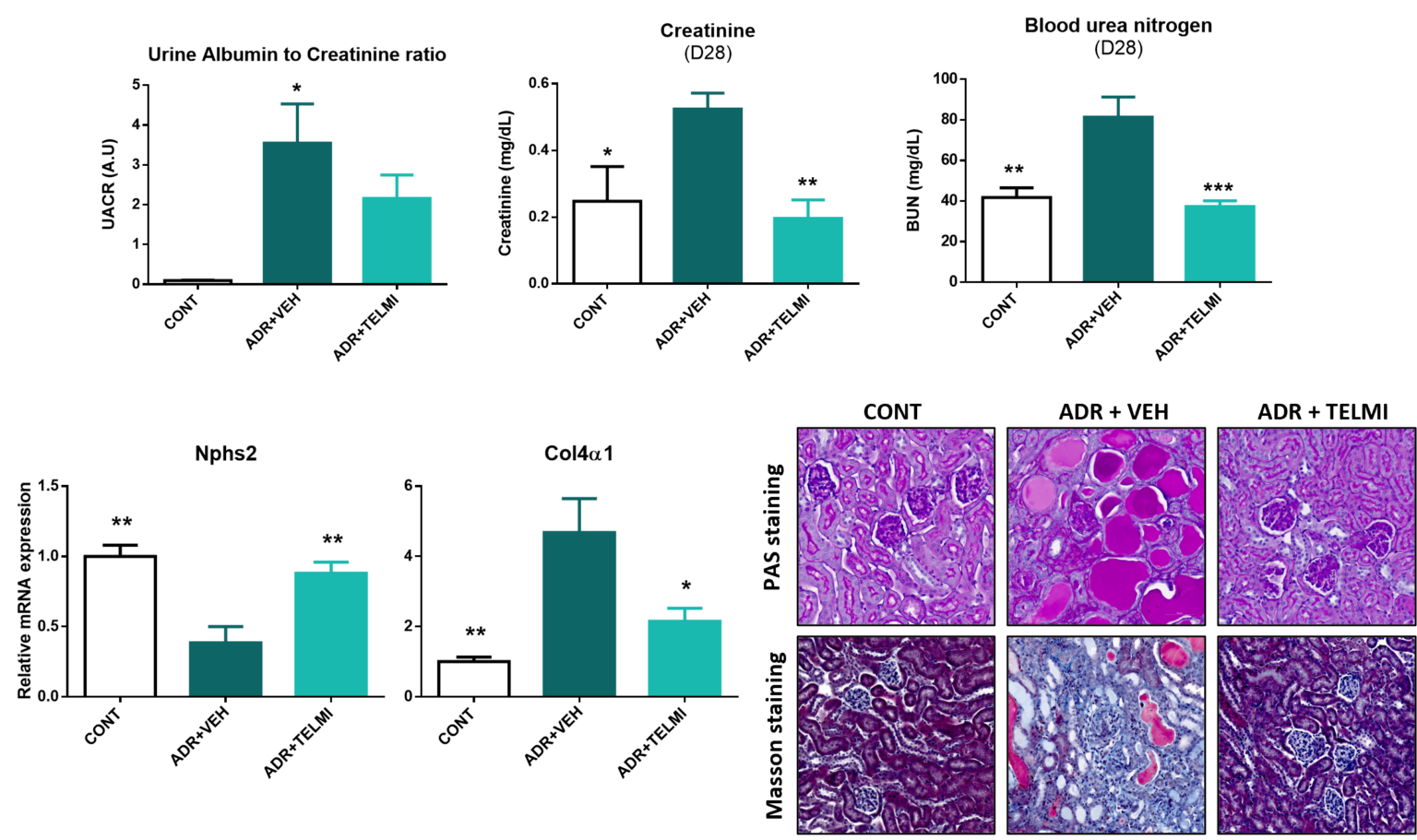
Multiple endpoints, including proteinuria, urinary albumin-to-creatinine ratio (uACR), glomerular histopathology, podocyte injury, renal fibrosis, and molecular biomarker analyses.
Study design based on our FSGS model
Model readouts
Related models